The Future of Teleradiology in India (2026–2030): Trends to Watch

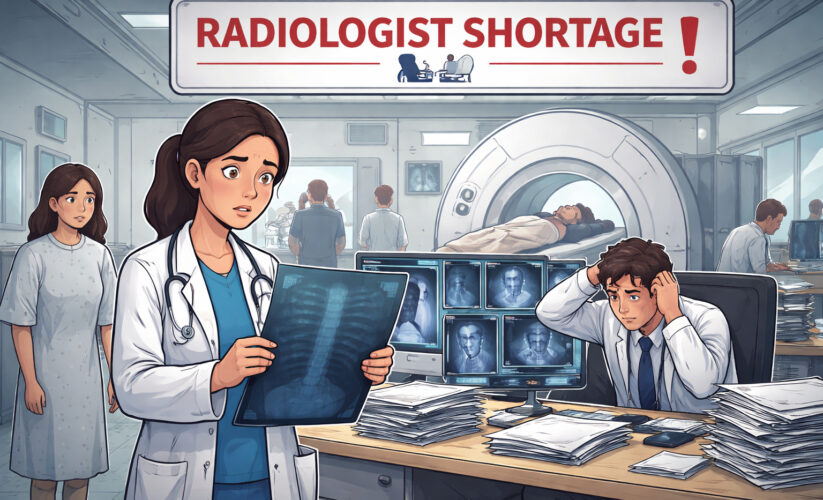
Teleradiology in India is no longer new. What started as a way to handle night reporting and staff shortages has become a regular part of hospital operations. Between 2026 and 2030, the focus will shift from just getting reports done to doing them better, faster, and with more consistency.
The changes ahead will be gradual, but meaningful.
Hospitals Will Look for Long-Term Partners
In the coming years, hospitals will expect more from their teleradiology providers. It will not be enough to deliver reports quickly. Hospitals will want partners who understand their workflow, follow their reporting style, and stay consistent over time. Teleradiology will move from being a backup option to a trusted extension of the in-house team.
Growth Will Come From Smaller Cities
As diagnostic centres grow in tier two and tier three cities, the need for experienced radiologists will increase. Many of these locations do not have easy access to specialists. Teleradiology will help fill that gap. Over the next few years, more hospitals outside metro cities will rely on remote reporting to maintain quality and avoid delays.
Technology Will Support Radiologists, Not Replace Them
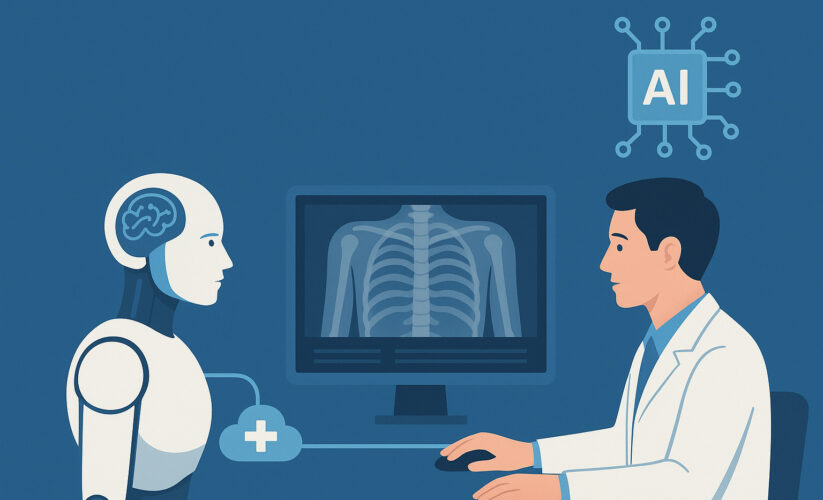
New tools, including AI, will become more common in radiology reporting. These tools will help sort cases, highlight urgent findings, and reduce routine workload. However, final decisions will still be made by radiologists. In India, trust in human judgment will remain central to patient care, with technology acting as support rather than a substitute.
Quality and Data Safety Will Matter More
As teleradiology becomes more widespread, hospitals will pay closer attention to report quality and data security. Providers will need clear quality checks, peer reviews, and secure systems for handling patient information. Hospitals will prefer partners who follow strong processes rather than those who simply promise faster reports.
Radiologists Will See Better Work Balance
Teleradiology will also change how radiologists work. Flexible hours and remote reporting will help reduce burnout and allow specialists to focus on areas they are best at. This shift will lead to more consistent reporting and better outcomes for patients over time.
What This Means for the Future
Between 2026 and 2030, teleradiology in India will become quieter, steadier, and more reliable. It will not be about big promises or dramatic change. It will be about doing everyday work well and supporting hospitals where it matters most.