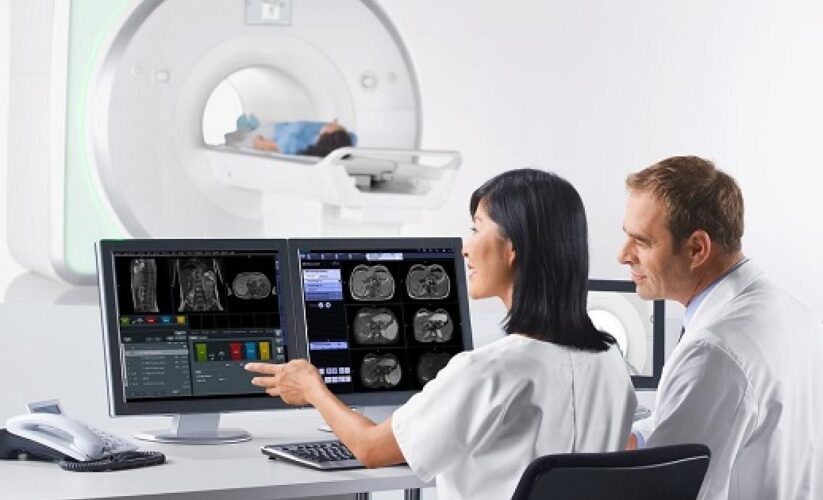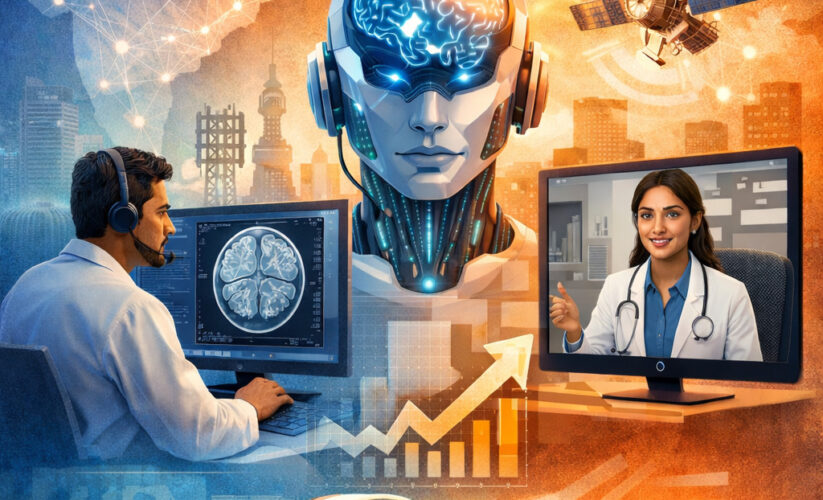
The Role of Artificial Intelligence (AI) in Modern Teleradiology Solutions
By oshininfotech
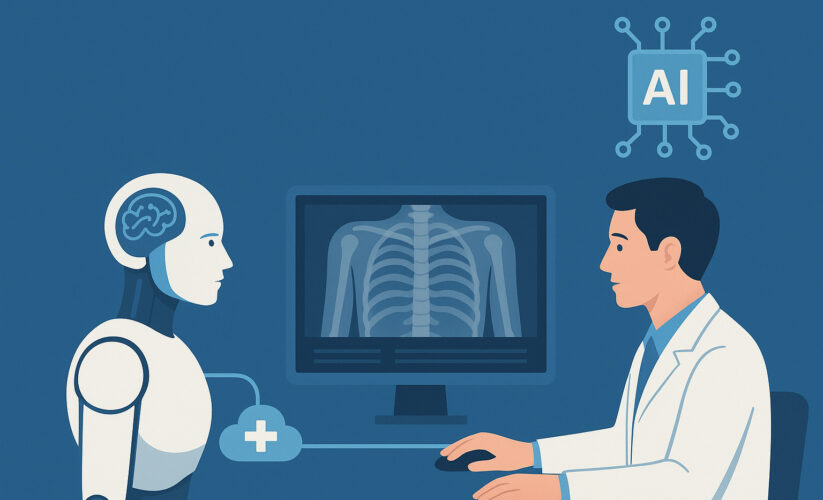
Teleradiology has already transformed how hospitals and diagnostic centers manage their imaging workloads. But with the integration of Artificial Intelligence (AI), the industry is now entering a new era one defined by speed, precision, and smarter decision-making. AI in teleradiology is not just an add-on; it has become a core driver of efficiency for healthcare organizations worldwide.
AI-Powered Automated Reporting
One of the biggest advantages of AI in teleradiology is automated radiology reporting. Modern AI tools can:
Pre-analyze X-ray, CT, MRI, and other scans
Highlight abnormalities
Create preliminary structured reports
Flag critical cases for immediate attention
This drastically reduces delays, minimizes manual workload, and supports radiologists in delivering faster diagnoses especially helpful for centers with high patient volume or limited staff.
Enhanced Diagnostic Accuracy
AI algorithms today are trained on millions of medical images. This makes them exceptionally good at spotting subtle patterns that may be missed in fast-paced environments. Examples include:
Early detection of lung nodules
Identifying microfractures
Spotting tumors, clots, and infections
Reducing human errors caused by fatigue
By functioning as a “second pair of eyes,” AI helps radiologists produce more consistent and accurate results, ultimately improving patient outcomes.
Workflow Automation & Faster Turnaround Time
Teleradiology platforms powered by AI streamline the entire workflow:
Automatic triaging of urgent cases
Smart case allocation to the right radiologists
Pre-filled templates for common findings
Real-time quality checks
This automation ensures that every step from receiving the scan to delivering the final report is faster and more efficient.
24/7 Coverage Without Increasing Staff Load
Healthcare centers often struggle with staffing gaps, night shifts, and specialist availability. AI helps bridge this gap by:
Assisting radiologists around the clock
Handling high-volume reporting
Prioritizing emergency cases instantly
This enables teleradiology services to maintain consistent reporting quality even during peak hours.
Improved Consistency & Standardization
AI-driven reporting reduces variations between different radiologists, ensuring:
Uniform language
Standardized report formats
Consistent diagnostic criteria
This builds reliability and trust crucial for hospitals seeking dependable teleradiology partners.
Better Decision Support for Physicians
AI analytics support doctors with:
Clear visual markings
Probability scores
Comparative analysis
Predictive insights
This helps clinicians make faster and more informed treatment decisions.
AI is not replacing radiologists, it is empowering them.
From automated reporting to enhanced diagnostic accuracy and round-the-clock support, AI in teleradiology is reshaping modern healthcare delivery. It allows hospitals and diagnostic centers to improve efficiency, handle higher workloads, and deliver accurate reports faster than ever. As AI continues to evolve, its role in teleradiology will only grow stronger making healthcare more accessible, reliable, and future-ready