Radiology Access Is Becoming a Workflow Challenge
Medical imaging is now central to clinical decision-making across emergency care, inpatient treatment, outpatient consultations and preventive screening.
As imaging volumes increase, healthcare organisations need more than equipment and image acquisition capabilities. They also need dependable access to radiologists who can interpret those studies and provide clinically useful reports within appropriate timelines.
That access is not always consistent.
Hospitals may experience reporting pressure during nights or weekends. Diagnostic centres may see sudden increases in CT, MRI or X-ray volumes. Healthcare networks operating across multiple locations may need to manage different reporting demands at different facilities.
Teleradiology helps address these challenges by extending radiology reporting beyond the physical boundaries of an imaging facility.
Its value, however, goes far beyond simply sending images to a radiologist in another location.
A dependable teleradiology service requires the right combination of clinical expertise, case prioritisation, workflow coordination, quality processes and communication.
What Is Teleradiology?
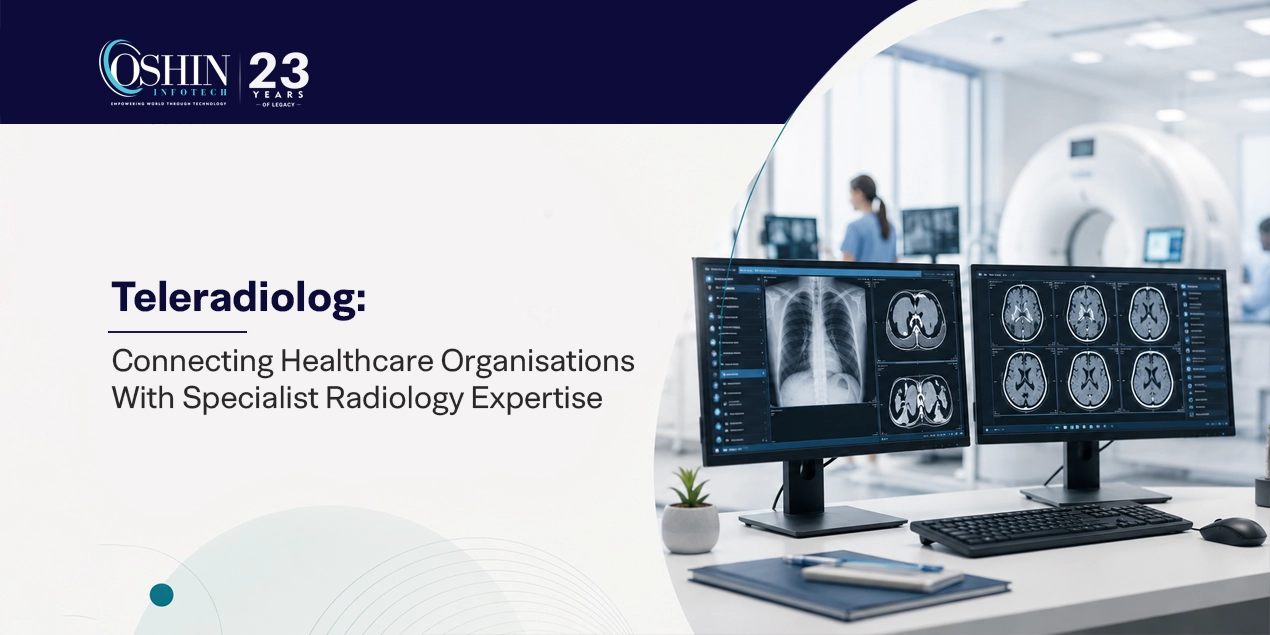
Teleradiology is the remote interpretation and reporting of medical imaging examinations.
Imaging studies performed at a hospital or diagnostic centre are securely transmitted through an authorised workflow and made available to a radiologist for interpretation. Once reviewed, the radiologist prepares a report that is returned to the healthcare organisation through the defined reporting process.
Teleradiology can support different imaging requirements, including CT, MRI, X-ray, mammography, OPG and PET-CT reporting, depending on the service scope.
It can also be configured around different operational needs, from routine reporting and reporting overflow to emergency and after-hours coverage.
The technology enables remote access.
The workflow determines whether that access becomes a dependable clinical service.
Where Teleradiology Can Support Healthcare OperationsRoutine ReportingExtend everyday reporting capacity across defined imaging modalities. Priority ReportingCreate dedicated workflows for studies requiring faster attention. After-Hours CoverageMaintain access to radiology reporting during nights, weekends and other defined periods. Reporting OverflowAdd reporting capacity when internal workloads exceed available resources. Specialist RequirementsRoute appropriate studies to radiologists with relevant reporting experience. Multi-Location SupportCoordinate reporting requirements across hospitals or diagnostic centres operating in different locations. |
Extending Access to Radiology Expertise
Radiologist availability can vary significantly by location, shift and modality.
An imaging facility may have advanced diagnostic equipment but limited access to reporting expertise during certain periods. Other organisations may have strong internal teams but require additional capacity for specific modalities or peak workloads.
Teleradiology creates a broader reporting network.
Instead of relying exclusively on professionals physically present at a facility, healthcare organisations can connect studies with appropriate radiologists through a managed reporting workflow.
For diagnostic centres expanding into new locations and healthcare groups managing multiple facilities, this flexibility can be especially valuable.
Supporting High-Volume Imaging Environments
Imaging demand is rarely constant.
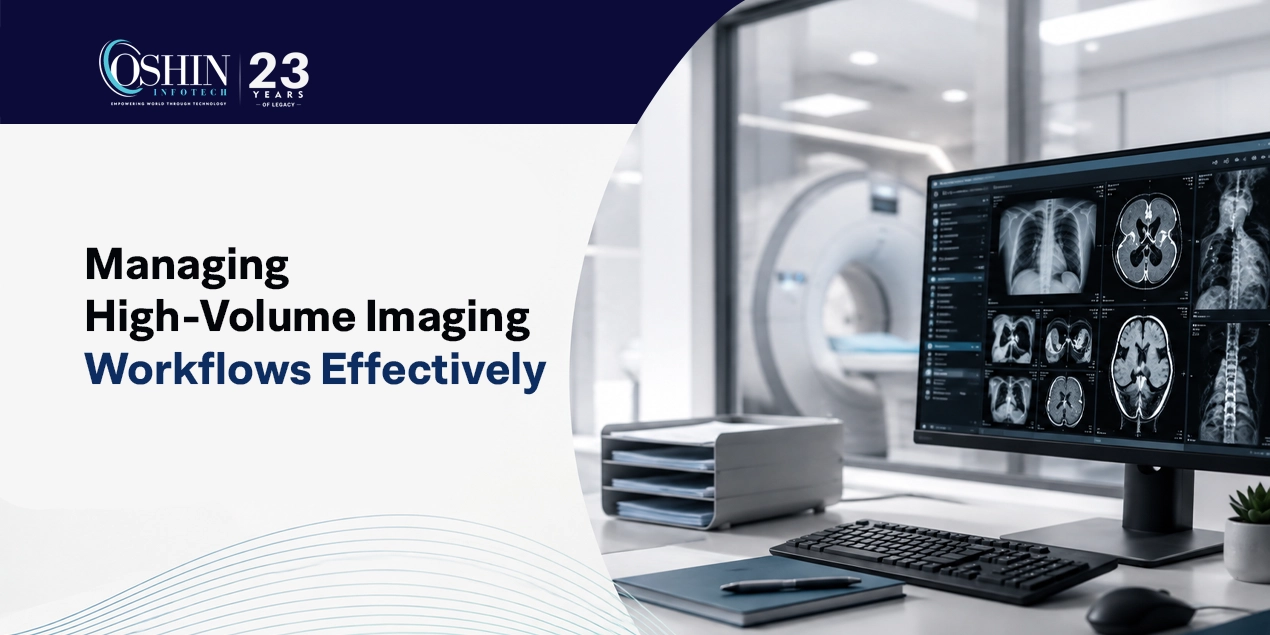
A diagnostic centre may experience an unexpected increase in MRI examinations. A hospital may receive several priority CT cases within a short period. A healthcare network may find that one facility has significantly more reporting demand than another.
Without sufficient reporting capacity, these fluctuations can create backlogs.
A structured teleradiology model can provide additional capacity while helping organisations manage allocation, priority and reporting status more systematically.
The objective should not simply be to complete more reports.
The objective is to ensure that the right cases reach the right radiologists at the right time.
After-Hours Reporting Requires More Than Availability
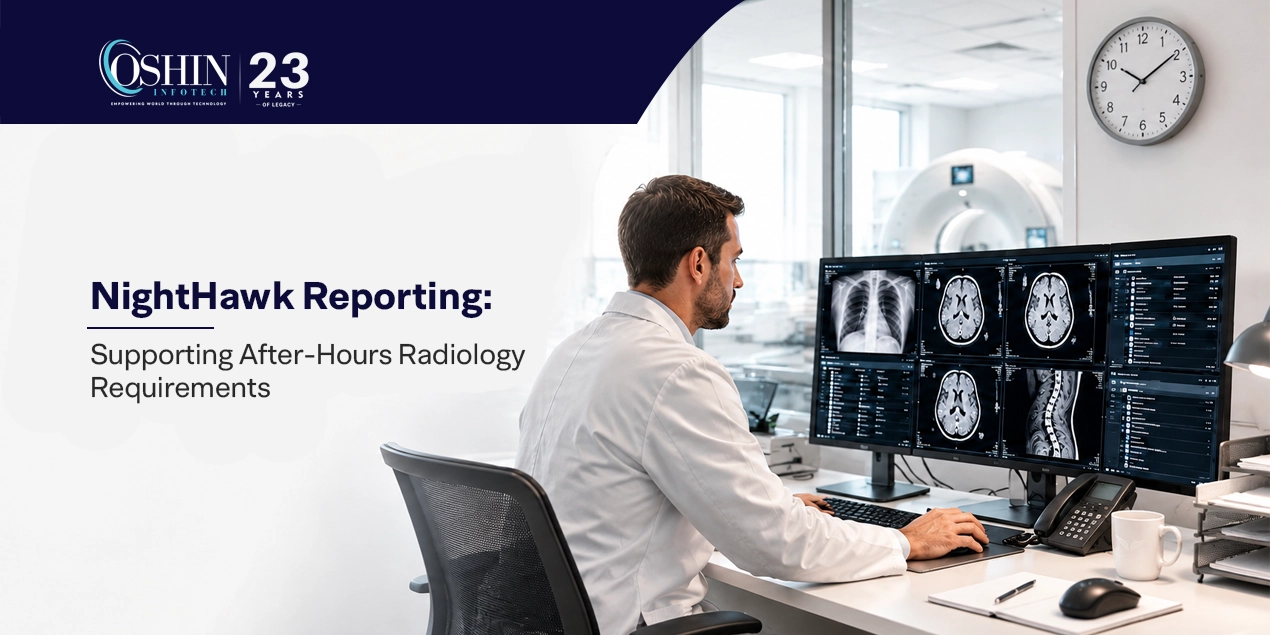
Hospitals and emergency departments operate continuously, but access to radiology expertise may change outside standard working hours.
This makes after-hours and NightHawk reporting an important component of many teleradiology partnerships.
For these workflows to be dependable, healthcare organisations and reporting teams need clear expectations around case priority, reporting turnaround, escalation and communication.
An emergency examination cannot be handled in the same way as a routine outpatient study.
The workflow must recognise that difference from the moment the case enters the reporting system.
Turnaround Time Matters. So Does What Happens Around It.Fast reporting is valuable, particularly in emergency and priority cases. But turnaround time should never be considered in isolation.A dependable radiology service must balance: Timeliness | Reporting Accuracy | Clinical Relevance | Communication | QualityA report delivered quickly but without adequate clinical context may offer limited value. Conversely, an accurate report that arrives too late may disrupt the patient-care pathway.The goal is therefore not simply faster reporting. It is reliable reporting within the timeframe appropriate to the clinical requirement. |
A Strong Teleradiology Workflow Begins Before Reporting
The quality of a remote reporting service is influenced by everything that happens before and after image interpretation.
The process begins when a study enters the workflow.
Patient and study information must be available. The modality and priority must be correctly identified. Relevant clinical information should accompany the examination where possible. The case then needs to be allocated according to the agreed reporting model.
Only after these steps does interpretation begin.
Once reporting is completed, the workflow must continue through report delivery, clarification and escalation where required.
A breakdown at any point can affect overall service performance.
From Imaging Study to Clinical Report1. Study Received 2. Patient and Study Details Verified 3. Modality and Priority Identified 4. Case Allocated to the Appropriate Reporting Workflow 5. Images and Available Clinical Information Reviewed 6. Radiology Report Prepared 7. Quality or Escalation Process Applied Where Required 8. Report Delivered to the Healthcare Organisation |
Clinical Context Improves Reporting Value
Medical images do not exist independently of the patient.
The reason for the examination, relevant symptoms, previous imaging and available clinical history can all influence interpretation.
When appropriate clinical information is available to the reporting radiologist, the report can more effectively address the question being investigated.
This is particularly important in complex CT and MRI cases, follow-up examinations and situations where comparison with previous imaging may influence interpretation.
For healthcare organisations, improving the quality of information entering the reporting workflow can therefore improve the value of the report coming out of it.
Reporting Quality Has to Be Built Into the Service
Quality cannot depend solely on the expertise of an individual radiologist.
A dependable reporting environment also requires processes that support consistency.
These may include defined reporting expectations, structured reporting practices where appropriate, quality reviews, case feedback, discrepancy monitoring and workflow evaluation.
The objective is not simply to identify errors after they occur.
It is to continuously strengthen the reporting environment.
When quality processes are integrated into everyday operations, they contribute to greater consistency across larger reporting volumes.
What Makes a Dependable Teleradiology Partnership?Appropriate Radiology ExpertiseCases should be handled within clearly defined reporting scopes and expertise. Defined Turnaround ExpectationsRoutine, priority and emergency cases require different service expectations. Reliable CommunicationHealthcare and reporting teams need clear channels for clinical and operational communication. Structured Case AllocationStudies should be prioritised and routed according to modality, urgency and workflow requirements. Quality ProcessesReporting quality should be supported through defined review and improvement mechanisms. Operational AccountabilityPending, delayed and escalated cases should be actively managed rather than left to individual follow-up. |
Teleradiology for Diagnostic Centres
For diagnostic centres, reporting availability has a direct impact on service delivery.
Imaging centres may operate extended hours, manage several modalities and experience significant variation in daily volumes.
Teleradiology can provide additional flexibility by extending reporting capacity without requiring every radiologist to be physically present at every facility.
It can also help organisations maintain continuity as they grow, introduce new imaging services or expand into additional locations.
In this environment, the teleradiology provider becomes part of the diagnostic centre's operational workflow.
Consistency and responsiveness therefore matter as much as reporting expertise.
Teleradiology for Hospitals
Hospital radiology environments often involve a broader range of priorities.
Routine inpatient studies may be reported alongside emergency examinations, trauma imaging and other time-sensitive cases.
The reporting model must therefore recognise clinical urgency.
Priority classifications, escalation mechanisms and communication pathways should be established before the service begins.
When these processes are clearly defined, teleradiology can complement internal radiology teams and support continuity during periods when additional reporting capacity is needed.
Teleradiology for Healthcare Networks
Healthcare networks operating multiple facilities face a different challenge: coordination.
Imaging demand may vary considerably from one location to another.
A coordinated reporting model can help healthcare groups establish common processes across different sites while creating access to a wider reporting network.
This can support more consistent turnaround expectations, better workload management and greater visibility across distributed imaging operations.
As organisations expand, the ability to scale reporting capacity without rebuilding the workflow at every location becomes increasingly important.
Communication Is Part of the Clinical Workflow
Remote reporting should never mean disconnected reporting.
Radiologists, operations teams and authorised healthcare professionals need effective ways to communicate when an issue requires attention.
This may include incomplete clinical information, missing images, priority cases, urgent findings, transmission issues or requests for clarification.
Clear communication protocols reduce unnecessary delays and help everyone understand how exceptions should be handled.
Technology transfers the study.
Communication keeps the clinical workflow connected.
KEY TAKEAWAYSTeleradiology Works Best as a Partnership, Not Just an Outsourced ServiceSuccessful teleradiology brings together radiology expertise, reliable workflows, clinical context, appropriate prioritisation, quality processes and clear communication.Healthcare organisations should therefore evaluate more than reporting capacity when choosing a provider.The stronger question is: Can this partner become a dependable extension of our radiology workflow? |
What Healthcare Organisations Should Consider Before Choosing a Teleradiology Partner
Before establishing a reporting partnership, healthcare organisations should understand whether the service can support their modalities, reporting volumes, operating hours and clinical priorities.
They should also evaluate how routine and urgent cases are differentiated, how reporting quality is monitored, how communication and escalation are managed, and whether the service can scale as requirements change.
A strong teleradiology model should adapt to the healthcare organisation rather than forcing every organisation into exactly the same workflow.
The Future of Teleradiology Is About Better Connection
Teleradiology has changed how healthcare organisations access radiology expertise, but distance alone is not what makes the model valuable.
Its real strength lies in connecting imaging facilities, radiologists and clinical teams through dependable reporting workflows.
For hospitals, diagnostic centres and healthcare networks, this can mean greater reporting flexibility, stronger after-hours coverage, additional capacity during periods of high demand and improved access to relevant radiology expertise.
The most effective services bring clinical expertise and operational discipline together.
That is what turns remote reporting into reliable radiology support.
OSHIN PERSPECTIVEStrengthening Radiology Workflows Through Dependable ReportingOshin Infotech supports hospitals, diagnostic centres and healthcare networks with teleradiology services designed around practical reporting requirements.Our approach focuses on combining radiology expertise with structured case coordination, defined turnaround workflows, quality processes and clear communication.From routine reporting requirements to priority and after-hours workflows, the objective remains consistent: helping healthcare organisations maintain dependable access to radiology reporting when they need it. |